- Know about the Oottukkadu Venkata Kavi festival in Kalady, Kerala and the genius of his compositions.
Kalady, the birthplace of the divinely
inspired philosopher Adi Shankaracharya, paid tribute to a mega composer,
Oottukkadu Venkata Kavi (1700-65?), whose works drew inspiration from such
icons. The Avalamkode Saraswathi Temple in Kalady became a vibrant centre of
classical music and scholarship on 9th January with a huge congregation of
musicians and listeners celebrating his phenomenal creations.
Neelakantha Sivan Cultural Academy,
Avanamkode Saraswathy Temple Trust from India and the US based SciArt Services
and Layasaaram Institute of Indian Arts came together in this dawn to dusk
event, which included scholarly talks, solo performances as well as group
events. The presence of Cochin High Court Judge Mr Gopinath, stalwarts of
Indian Classical D Raghavachary (of the Hyderabad Brothers duo, who had
presented a fine vocal concert on 9th) and Chitravina N Ravikiran lent both
gravitas and depth to the proceedings.
Keynote
speech and concert
The programme on the tenth commenced with
a lecture-demonstration by Ravikiran, who shared scholarly insights into the
life, philosophy, and extraordinary musical, lyrical and cultural contributions
of Venkata Kavi.
He then presented a thematic concert that
traversed through compositions like Ananda nartana ganapatim bhavaye, Agama
Rajagopala and Sarasijabhava jaye which left the listeners awestruck. The
concert was embellished by Thissur A Jayakrishnan on mrdangam and Tripunithura
Kannan on ghatam as well as by the direct disciples of Ravikiran - Sanjay
Suresh on violin and support vocalists Dathre and Dhruv S Pathangi.
Sapta
Ratna Chorus
Another highlight of the celebration was
the ghoshti gānam (chorus performance) of the immortal seven Gems (Saptaratna
Krtis) of Oottukkadu Venkata Kavi. The collective singing stood as a powerful
testament to his unmatched musical and lyrical mastery. Various gurus took the
lead in training their respective groups to present these masterpieces with
enthusiasm and competence.
The event was further augmented by solo
renditions of Venkata Kavi compositions by artistes from across India and other
countries including Dr Manju of Adi Shankara Sanskrit University, Dr G
Bhuvaneshwari, Sharmila Sivakumar, Reju Narayanan, Shantala Raju, students of
Neelakanta Shivan Cultural Academy, Sowmya Acharya, Hyderabad Ramamurthy,
Prameela Mandayam, Dr Arun Kumar, Divya Venkateshwaran, Aditya Anil, Pathangi
Brothers, Vaikom Venugopal, TVMR Rajesh and Bhargav Ram Sampathkumaran.
Composer
of Rare Genius
Oottukkadu Venkata Kavi occupies a
singular and exalted position in the history of Indian music, standing apart as
one of its most original and visionary composers. Widely regarded as far ahead
of his times, he is celebrated for the sheer range and depth of his
compositions, which display an extraordinary synthesis of devotional intensity,
rhythmic innovation and melodic sophistication.
His works, though predominantly centred on
the epic, Bhagavatam and his favourite Lord Krishna, are actually all
inclusive, revealing his devotion towards Shiva, Devi, Vinayaka, Subramanya,
Lakshmi, Saraswati and Anjaneya. They effortlessly show his profound
understanding of theology, aesthetics, and musical architecture.
Shri Venkata Kavi’s compositional style is marked by complex rhythmic patterns, imaginative use of tala structures, and a rare command over raga bhava. His songs
frequently incorporate intricate swara
(note) and jati (rhythmic syllable)
passages, unconventional take off points, and layered rhythmic designs,
elements that were revolutionary for his period and continue to challenge and
inspire performers today. Despite this structural complexity, his compositions
remain deeply emotive, seamlessly uniting intellectual rigour with spiritual
expression. They attract audiences even as they tease erudite scholars because
of their instant appeal and enduring knowledge.
Sanskrit,
Tamil & Marathi creations
A defining aspect of Shri Venkata Kavi’s legacy is his exceptional multilingual scholarship. He composed extensively in both Tamil and Sanskrit with a fluency and intensity rivalling Niagara Falls.
He also composed a
handful of pieces in Marathi, which was prevalent in the Tanjore region then,
thanks to Maratha rulers such as Serfoji, Tulajaji and others.
This adapted linguistic form enabled the
composer to communicate devotional sentiment with immediacy and authenticity,
while retaining musical elegance. It is noteworthy that Venkata Kavi also
adopted a few North Indian Ragas like Dwijayavanti, Hameerkalyani and
Sindhubhairavi in addition to compositional structures reflecting his exposure
to Marathi devotional musical forms.
Aradhanas
in Seattle, Chennai & Udupi
Venkata Kavi Aradhanas in recent months in
Udupi, Chennai and cities like Seattle have been equally impactful with even
Western Orchestras performing Melharmony arrangements of some of his songs.
The lion’s share of the credit for all this must go to the boundless energy and enterprise of musician and educator Vanitha Suresh, founding director of Arohana School of Music in Madison, USA and her think tank that includes Revathi Subramaniam, Krishnan Suresh, Sajeev, Aravinda Hebbar, Nityananda Rao, Vibhu Rao, Prameela Mandyam and many others.
Listeners can download the Venkata Kavi
App while students can visit www.acharyanet.com to enjoy and learn
many of these masterpieces.
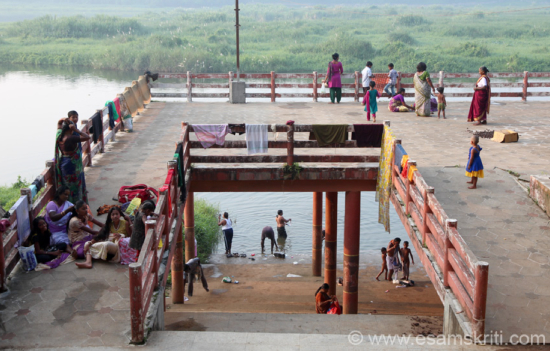 Crocidile Ghat, Kalady
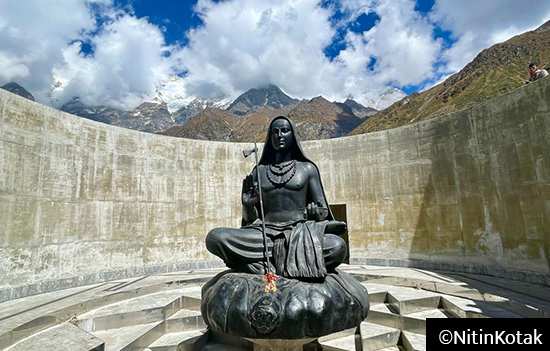 Sankara in Kedarnath, Uttarakhand.
The author is an
Indian Classical Musician and ardent lover of Indian Culture.
To read all articles on
Music
Also read
1.
SANKARAYANAM
the journey of SANKARA-Book Review
2.
Album
Sankara Birthplace Kalady
3.
Adi
Sankaracarya and Sanmatam - SIX FOLDED TRIBUTARY - THOUGHT DOMAINS
4.
Victory
over Mandana Mishra
5.
To read all articles
on Vedanta
6.
To read about Venkata Kavi life