- Ideas to deal with hypertension
include Six Yoga Asanas, Breathing Practices (Pranayama) and Lifestyle changes.
With pictures and how to do.
Part
one was Why Modern Life Keeps Our Blood Pressure High and included What raises blood
pressure? Why is Hypertension of common? What are symptoms of High Blood Pressure? How Yoga Supports Blood Pressure
Naturally? This is part 2 and has best Yoga Poses for Hypertension.
If
you have high blood pressure, the goal is not intense yoga. You do not need
fast asana movement, advanced poses. For hypertension, yoga should feel like a
long exhale. Here are gentle poses that are supportive and safe for most people:
1. Child’s Pose (Balasana)
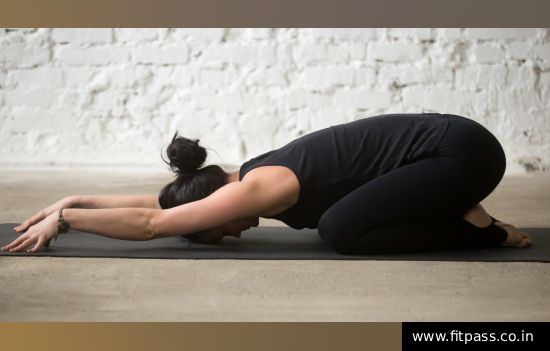
This
is one of the most comforting poses in yoga. It naturally slows down the breath
and relaxes the nervous system. How to practice:
1.
Come in an all fours - kneel down position on the floor. Hands under the
shoulders and knees in line with hips.
2.
Start moving your hips back to the heels, and rest your forehead on the mat. If
your knees feel uncomfortable, keep a pillow under your hips. Stay for 1-2
minutes.
2. Cat-Cow Stretch (Marjaryasana–Bitilasana)
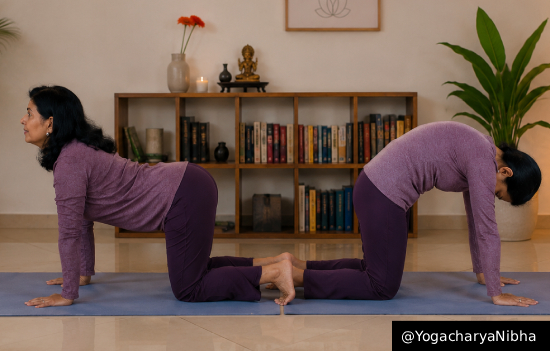
This
movement is gentle, grounding, and especially helpful for people who sit all
day. How to practice:
1.
Come onto all fours.
2.
Inhale and gently lift the chest.
3.
Exhale and round the spine.
4.
Move slowly and smoothly for 1- 2 minutes.
5.
Let your breath lead the movement.
3. Seated Forward Fold (Paschimottanasana - gentle version)
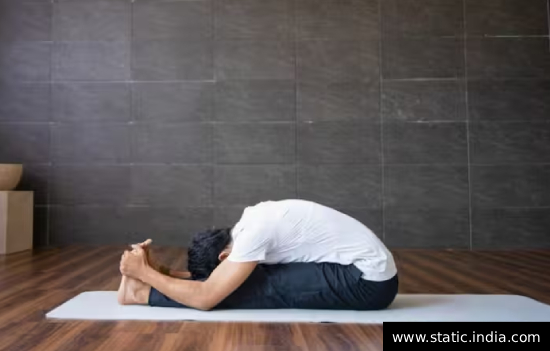
Forward
folds are naturally calming, but only if you do them without force. How to practice:
1.
Sit with legs extended. Keep knees slightly bent.
2.
Fold forward gently, without pulling.
3.
You can rest your hands on your legs or ankles or shins.
4. Stay for 30–60 seconds.
4. Reclining Butterfly Pose (Supta Baddha Konasana)
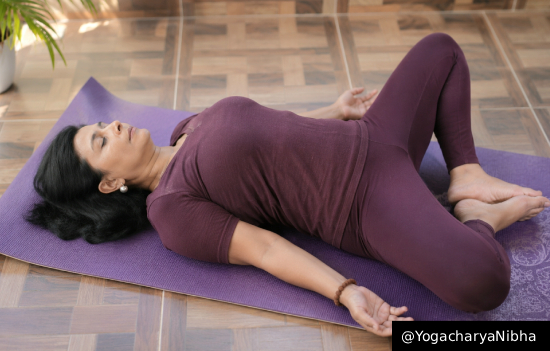
This
pose is deeply relaxing. It softens the chest, belly, and hips, allowing the
breath to become deeper. How to practice:
1.
Lie down, bring the soles of your feet together, and let your knees open
outward.
2.
Support your knees with cushions or yoga blocks if needed.
3.
Stay for 2 - 5 minutes.
5. Legs up the Wall (Viparita Karani)
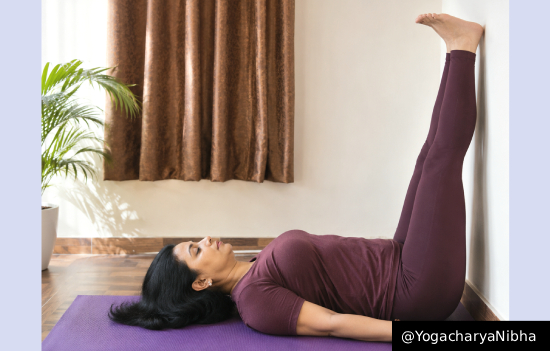
This
is one of the best yoga poses for modern-day stress and fatigue. It is
especially helpful for people who feel drained after work, mentally overloaded,
or emotionally exhausted. How to practice:
1.
Lie down near a wall and place your legs up the wall.
2.
Keep your arms relaxed by your side.
3.
Stay for 5 -10 minutes.
4.
Many people feel their whole system calm down in this pose.
6. Corpse Pose (Shavasana)
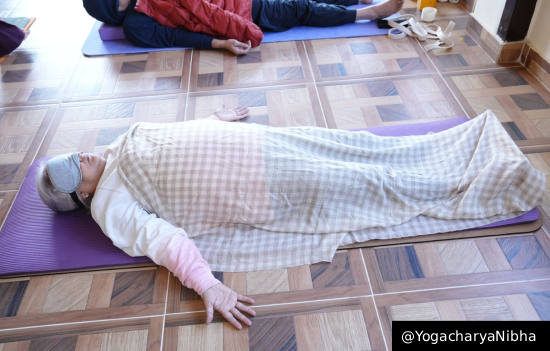
Shavasana
is not just rest. It is a practice of deep nervous system recovery. Most people
lie down but keep thinking. Shavasana teaches the mind to stop running. How to practice:
1.
Lie down comfortably, eyes closed, body relaxed.
2.
Stay for 5 -10 minutes.
If you do only one yoga pose daily
for hypertension, choose Shavasana
Breathing Practices (Pranayama) That Calm Blood Pressure
Breathing
is one of the most powerful tools for hypertension because it is always
available. You can do it at home. You can do it before bed. You can do it in
the middle of a stressful day. It works quietly but deeply.
Here
are gentle breathing practices that support blood pressure balance:
1. Slow Breathing
This
is the simplest and most effective practice. How to practice:
1.
Inhale slowly through the nose.
2.
Exhale slowly through the nose.
3.
Make your exhale slightly longer than your inhale.
4.
Continue for 3-5 minutes.
5.
Even 10 slow breaths can bring the body out of stress mode.
2. Nadi Shodhana (Alternate Nostril Breathing)
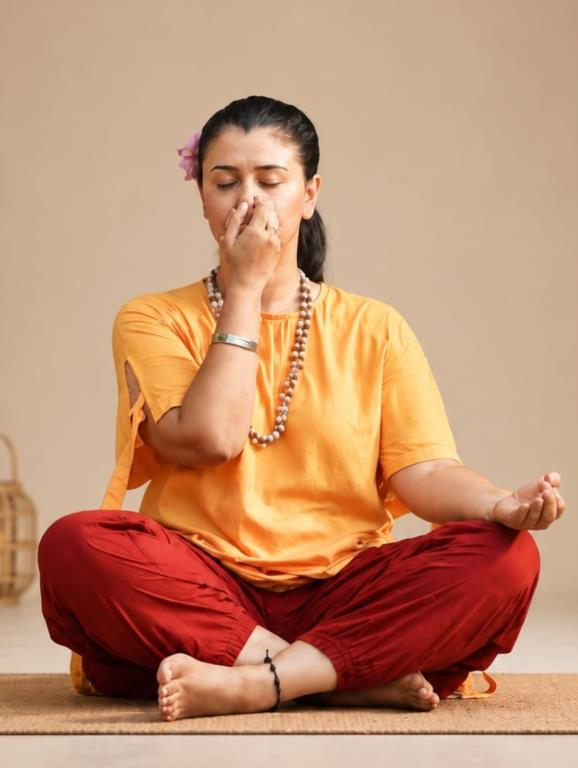
This
is one of the best pranayama practices for calming the mind and reducing
restlessness. How to practice:
1.
Close your right nostril and inhale through the left. Exhale through the right
nostril then Inhale through the right nostril and exhale from the left.
2. Continue slowly for 3–5 minutes, starting and finishing with the left nostril/
3.
Keep it gentle. No force. No holding.
To
see video 1.46
minutes
Avoid
fast or forceful breathing techniques like Kapalbhati or intense breath
retention unless guided by an experienced teacher who understands hypertension.
For high BP, gentle and slow
breathing is safer and more effective.
Lifestyle Tips for hypertension
Hypertension when combined with Yoga and supported by small daily lifestyle shifts can make a huge difference. The good news is: you don’t need a perfect routine. You just need a few realistic habits.
1. Start your day with breathing, not your phone
Before
you check notifications, take 10 slow breaths. It may seem small, but it sets
the tone of your nervous system for the entire day.
2. Walk daily
Even
a 15-20 minute walk helps improve circulation and release stress. Walking is one of the most underrated
practices for blood pressure support.
3. Reduce caffeine dependency
Many people don’t realize how much tea and coffee affect the body’s stress response. Try reducing by one cup a day and replace
it with warm water or herbal tea.
4. Eat at least one calm meal
Eating
while rushing or scrolling keeps the body in stress mode. Try to sit down and
eat one meal daily without screens. That alone can help digestion and reduce
stress load.
5. Prioritize sleep like medicine
Sleep
is where the body repairs. Try to reduce
screen time at night and practice 5 minutes of breathing before bed. If
your sleep improves, your blood pressure often improves too.
Yoga is not about fixing you
It doesn’t treat you like a problem to solve. It treats you like a human being who has been carrying too much for too long. Hypertension is not always a sign that you did something wrong.
Sometimes
it is simply the result of living under pressure for years.
Yoga
is a reminder that your health is not just about food and exercise but also
about how you breathe, how you respond to stress, how you rest, how you slow
down and how you care for your mind and how often you give your body permission
to relax.
Start Small, Stay Consistent
If you are dealing with hypertension, don’t wait for the “perfect plan.” Start with what feels possible. Even 10 minutes of yoga a day is a powerful beginning. Because the goal is not to control blood pressure through force.
The goal is to create a life where your body doesn’t feel like it is constantly fighting.
A
calmer breath, a quieter mind. Slowly over time, a healthier heart.
Author
Nibha - From two decades of being in high-stressed corporate jobs, to a Yoga teacher & practitioner who loves to unlearn, learn, and teach. She is based in the National Capital Region.
To read all articles by author
Also read
1.
What is Pranayam – how to do and benefits
2.
Role of Satvic Diet on Hypertension
3. How Yoga helps deal with uncertain times
4.
Yoga therapy for Hypertensive Middle Aged Women
5.
What we can learn from Child’s Pose
6.
Yoga Practices that boosts Memory
7.
How a Foot Sole Massage can improve your health