- Know the types of Modak and the symbolism behind
Modak design, Meals and curries offered to Lord Ganesh, day wise menu for Gauri
Pujan and regional delicacies.
On Ganesh Chaturthi the author earlier wrote, How
Ganesh Chaturthi is celebrated in a Maharashtrian home and GAURI
PUJAN takes place during Ganesh Chaturthi – Editor
Lord
Ganesha is worshipped as Vighnaharta (the remover of obstacles) and Buddhidayaka
(the bestower of intellect). The festival reinforces the
values of overcoming challenges with intelligence, humility, and patience.
Traditional murtis are made from shadu mati (natural river
clay), and the festival marks a seasonal change aligned with the monsoon
harvest. The final ritual—Visarjan (immersion of murtis in water bodies)—symbolizes the cyclical nature of life, creation, and return to nature.
During Ganesh Chaturthi (Chovoth in Goa) and Gauri Pujan, the kitchens
of Maharashtra and Goa transform into hubs of culinary devotion. The traditional
festive menu (Naivedya) prepared without onion or garlic reflects the
agricultural bounty of the monsoon, seasonal produce, and deep-rooted regional
customs.
1. The Modak
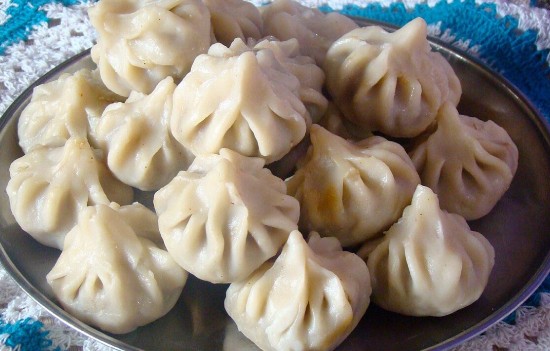
A sweet dumpling stuffed with freshly grated coconut and jaggery—is inseparable from Ganesh Chaturthi. Ganesha is often called Modakpriya (one who loves modaks),
and 21 modaks are traditionally offered to him as Naivedya (divine
offering).
Ganesh Chaturthi/Ganapati Festival means Modak - Ukadiche (Steamed) or
Talaniche (Fried). This is a favourite debate among foodies. The supporters of
each type of Modak always point out their viewpoints very rigorously on social
media. The Modak is a unique food item.
Ukdiche Modak (Konkan and
Goa): Steamed rice-flour dumplings filled with a mixture of fresh grated
coconut, jaggery, cardamom, and nutmeg, finished with a generous drizzle of
warm ghee.
Talele Modak - (Western Maharashtra, Vidharba and Marathwada): Fried wheat-flour
modaks.
1. The
Philosophical & Spiritual Anatomy
The
Sanskrit word modak stems from mod, meaning "delight" or "happiness". Beyond its taste, the modak carries rich symbolism:
The Outer Shell: Made of rice or wheat flour, the firm outer layer represents discipline, self-control, and worldly life.
The Inner Filling: The sweet,
aromatic mixture of coconut and jaggery inside symbolizes spiritual bliss, enlightenment, and
inner sweet truth.
The Shape: The pointed, closed tip at the top symbolizes single-pointed concentration and ultimate enlightenment.
2. Mythological Origins
The Test of Wisdom: According to legend, a divine sage
offered a unique modak to Shiva and Parvati that promised supreme wisdom to
whoever ate it. Parvati set a challenge for her sons, Ganesha and Kartikeya:
whoever circled the world first would win it. Kartikeya rode off on his
peacock, but Ganesha simply walked around his parents, stating that they were
his world. Impressed by his wisdom and devotion, Parvati awarded him the modak.
Satisfying the Divine Hunger: Once Anusuya serving a feast to Ganesha, whose appetite could be fulfilled only when she offered him a single modak. Upon eating it, he let out a satisfied burp, which caused Lord Shiva to burp 21 times—establishing the custom of offering 21 modaks during the festival.
3. Family Bonding & Culinary Heritage
Preparing
traditional Ukadiche Modak (steamed rice-flour dumplings) is an
intricate art passed down through generations. Pleating the dough requires skill
and patience. Gathering in kitchens to craft these delicacies serve as an anchor
for family togetherness and cultural preservation.
Nevri (Goa & Konkan): Nevris (also known as Karanji) stuffed with fresh coconut
and jaggery.
Patole (Sindhudurg and Goa):
Cucumber and Flat rice-flour pan- cakes filled with coconut and jaggery,
wrapped in fragrant turmeric leaves, and steamed.
Gauri-Ganapati
festival is celebrated in Maharashtra. In Konkan Gauri is mother of Ganesh. In
some castes, she is worshipped single in the form of bunch of leaves and flowers
particularly Terada, seven pebbles from water source in Konkan. She is
worshipped as Jyeshta Gauri and Kanistha Gauri as Mahalakshmya in the rest of
Maharashtra. They are worshipped in the form of Masks of Copper, silver or
paper.
In
Goa, in the Saraswat Brahmin community, on Haritalika day i.e. one day prior to
Ganesh Chaturthi, Parvati/ Gauri is worshipped as a pregnant wife of Lord
Mahadev. To satisfy her Dohale/longings (morning sickness), she is offered Moni
Patole means Cucumber and rice-flour with jiggery pan- cakes, wrapped in
fragrant turmeric leaves, and steamed.
2. Festive Meals & Curries-
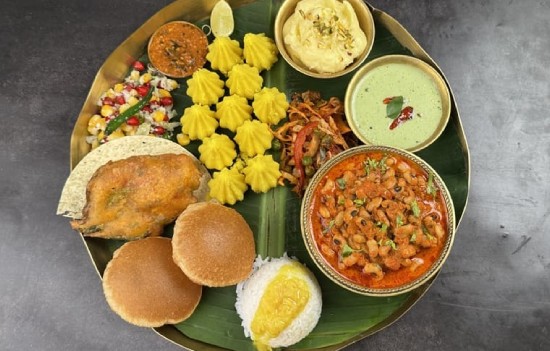 Food offered to Lord Ganesh.
Varan Bhaat & Masale Bhaat: Steamed rice
served with plain pigeon pea dal (Varan) and a spoonful of ghee, alongside
Masale Bhaat, a spiced rice dish made with seasonal vegetables and aromatic
whole spices.
Khatkhate (Goa): A hearty stew made with a
minimum of five seasonal vegetables (yam, pumpkin, corn, raw banana,
drumsticks) cooked with coconut, jaggery, kokum, and tirphale (Sichuan pepper
variant).
Moonga Gaathi (Goa): Sprouted green gram cooked in a mild coconut gravy tempered
with mustard seeds, curry leaves, tamarind, and jaggery.
Rishi Panchami Bhaji:
On the day following Ganesh Chaturthi, a special curry is prepared using wild,
seasonal greens and tuberoses that are cultivated without the use of a plough
or oxen.
Gauri Pujan: Feast for the Mother
Goddess
Gauri
Pujan is a three-day celebration welcoming Goddess Gauri, mother of Lord
Ganesh. Each day follows a distinct traditional menu pattern:
Day 1
Gauri Avahana (Arrival)
Simple
rustic meal featuring Bhaji (wild greens like shepu or pumpkin leaves) and
Bhakri (millet flatbread), Alu Chi Bhaji/fadafade (Colocasia leaf curry), or
Dahi Bhaat (curd rice). People belonging to CKP community, offer bhakari,
Mathachi palebhaji (green leafy vegetable), Kheer of rice.
Day 2
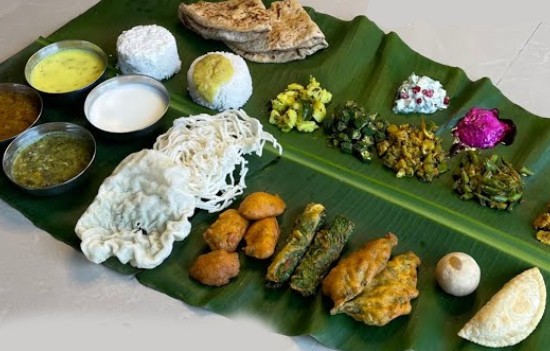
Gauri Pujan (Maha Naivedya)
Elaborate
Panch Pakwan feast featuring Puran Poli with Katachi Amti (spiced chickpea
broth), or Konkan-style Ghavan Ghatle (lacy rice pancakes with sweet coconut milk
with jaggery), accompanied by 16 to 21 seasonal vegetable preparations, (16
Bhaji (veggies-dry and with gravey), Nivagri, Panchamrut, 16 salads (dry
salads, salads with tempering of ghee and cumin seeds, salad with dressings of
curd/ oshimbir/Raita/Bhrita) Fried Items - Alu Vadi, Kothimbira wadi, Papad
Kurdai (fryums); Types of Rice - Varan Bhat, Masale Bhaat, Dahibhat.
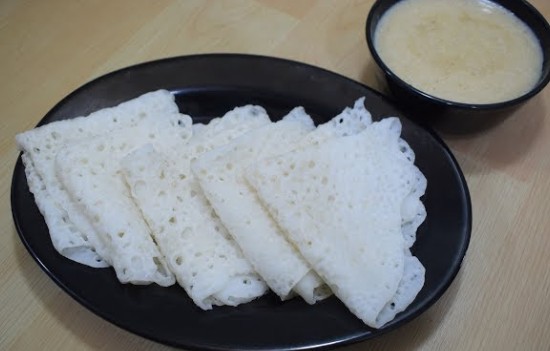 Ghavan Ghatle.
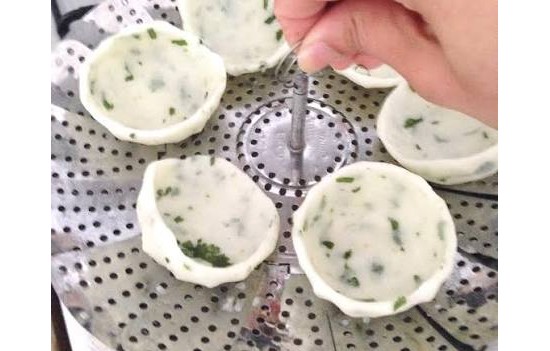 Nivagri is rice flour mixed with chilly and steamed coriander.
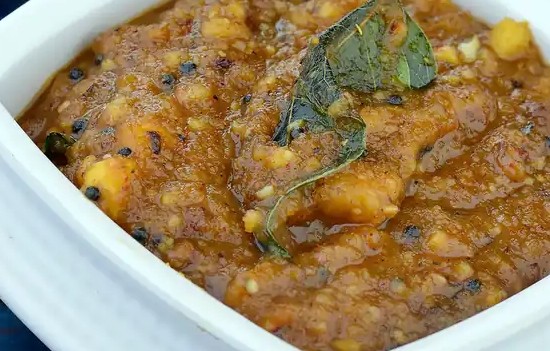 Panchamrut bhaji.
The
people belonging to CKP community, prepare murdiche kanavale (Karanji) Kheer of pumpkin , puri, Vegetables (Dry and
Gravy) etc, and those who offer Non-Veg meal to Gauri, they prepare Mutton Vade
, Fish Fry etc.
Regional delicacies-
Alu
Vadi / Kothimbir Vadi: Crispy rolled colocasia leaves or coriander patties
coated in spiced chickpea batter.
Khaje
(Goa): Fried chickpea flour sticks coated in ginger-infused jaggery syrup,
typically
offered during festival fairs.
Sanna
(Goa): Soft, steamed rice-and-coconut cakes served alongside festive stews.
Day 3
Gauri Visarjan (Farewell)
Shidori
(A light farewell meal of Dahi Bhaat (curd rice), sweet Shevaya (vermicelli
kheer), or Godacha Shira (Rava Halwa) to wish the deity a peaceful journey. |
The
festive season is celebration of Nature, seasonal vegetables, fruits, satisfy
savours of devotees.
The
festive cuisine across Maharashtra and Goa blends spiritual devotion with
seasonal eating, keeping centuries-old culinary heritage alive.
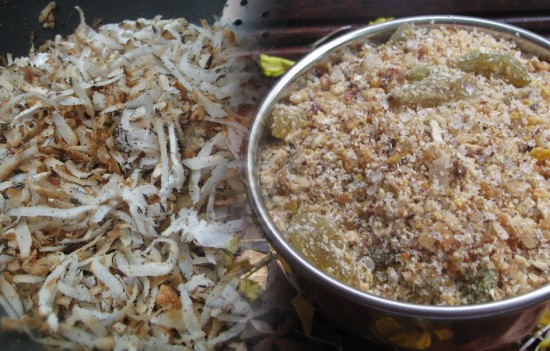 Panchakhadya is a mixture of dry coconut, dryfruits etc, is served to visitors, not served in a meal.
The author expresses gratitude to Vidya Prabhudesai, Goa and Amrita Nanal, Thane for their inputs for cuisine of Saraswat Community, Goa and C.K.P. Community respectively.
To read all articles by author