- This
photo feature has details of sacred flowers and leaves used during Ganesha
worship.
This article was
first published in the Bharatiya Vidya
Bhavan Journal.
Flowers are believed to have spiritual vibrations. When a devotee offers flowers to a deity with the spirit of total surrender it helps to increase the positive energies which strengthen the devotee’s sense of devotion. The deity is believed to be pleased and blesses the devotee with health, wealth and prosperity.
Devotees offer the flowers and leaves traditionally associated
with Lord Ganesha to establish our divine connection with God.
The book Pooja
Kalpam (a guide in Malayalam for performing pujas) mentions the names of 21
flowers for Ganesha Puja, each flower being offered chanting a specific name of
the deity. Some of these are given below, besides some others used in Ganesha
puja across the country. There are also 21 leaves offered in a similar way to
the Lord (some of which find mention here).
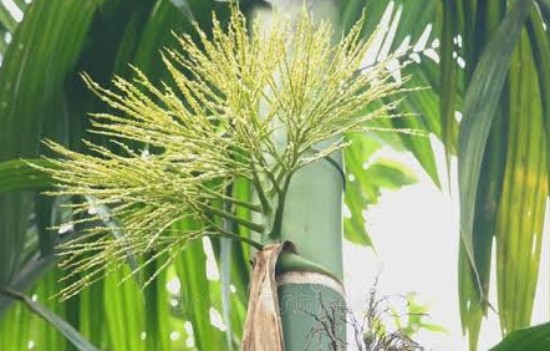
Areca Flowers and Nuts: These
are obtained from the areca nut palm. Both these are auspicious offerings to
the Lord. He loves the bunch of Areca flowers often used as a decorative item
in pujas. Areca nut is traditionally offered along with betel leaves during
many Hindu ceremonies.
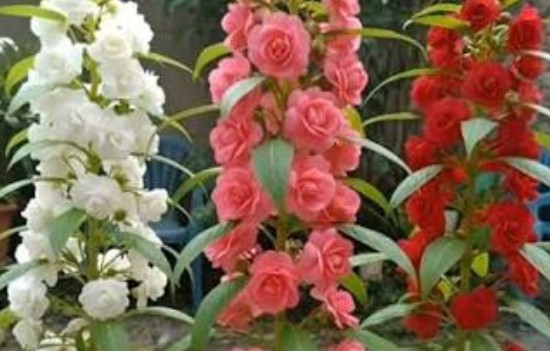
Balsam Flowers: They are called
Gulmehandi in Hindi and are usually pink but can have other colours too. The
golden variety can be offered to the Lord during Ganesh festival.
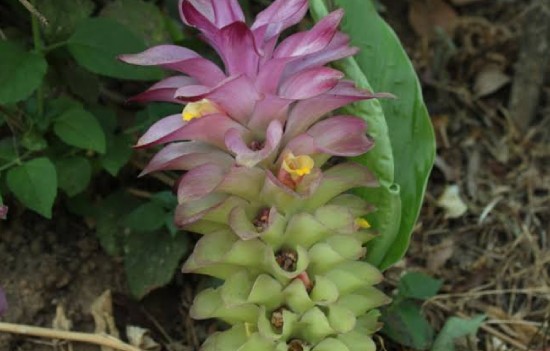
Hill Turmeric: This
flower has a unique and conspicuous appearance. It is often collected from
forest edges to offer to the deity during Ganesh Chaturthi.
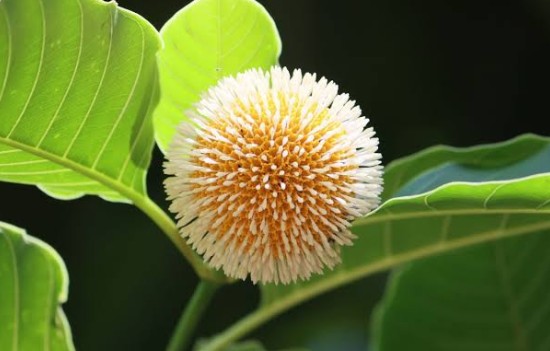
Burflower/Laran: It is
called Kadambam in most Indian languages. These flowers are essential for Parvati and Ganesha Pujas. The
Lord awakens the skills latent in the devotee when these flowers are offered.
Conch Flower: It is called Gokarna in Hindi. It can be white or blue in colour. It is also known as Aparajita flower. Devotees who want the Lord’s blessings to get married should offer this flower to the Lord.
Flame of the Forests: When
offered to the Lord, He removes sorrows and negative influences in life.
Jasmine: Various jasmine species such as Chameli, Mogra and Juhi are commonly used in worship. These flowers are used in making garlands and in Pujas. It is believed that the fragrance of flowers offered to the Lord carries the devotee’s prayers to him. It helps the family to be together. These flowers are also called Kunda and Nithya Mulla (Downy jasmine) in different regions.
Lotus: This flower is
considered the holiest flower and a symbol of purity and spiritual awakening. Though
it grows in murky waters it is not affected by the dirt. The opening of the
petals represents the expansion of the soul towards enlightenment. It is
associated with Lord Vishnu and Goddess Lakshmi.
When offered to Lord Ganesha, it symbolises purity of
thought and spiritual growth.
Magnolia: It is
called Champa in Hindi/Marathi and also called Naga Pushpam. The Lord loves the
fragrance of this golden coloured silky flower.
Marigold: Offering this flower to the Lord is believed to bring health
and well-being. Milk weed flower: It is known as Arka in Hindi and as Erukkum Poovu in
South India.
Night Jasmine: Night
Jasmine (Parijata or Harsingar) is widely used in worship traditions. It is
also called Coral Jasmine. It is offered to the Lord for the prosperity of children.
Oleander: It is believed that those who offer these flowers are bestowed
with great strength, of body and mind. It also brings success in business
ventures.
Pandanus: It is
called Kewra in Hindi and has a sweet aroma. It is offered during Ganesh
Chaturthi.
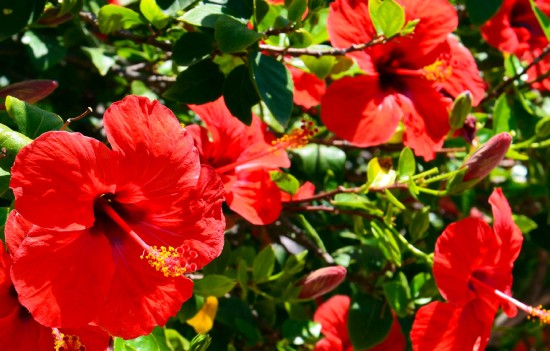
Red Hibiscus: Lord Ganesha is traditionally associated with the red
hibiscus flower. He loves red hibiscus and it is His favourite flower. It symbolises
the positive energy in nature and brings the same to our homes and removing the
negative vibes it brings all-round prosperity. Offering this flower to the Lord
every day, especially during the 10-day Ganesh Chaturthi festival, cures physical
and mental ailments.
Yellow Chrysanthemum: It symbolises fidelity, optimism, joy and a long life.
When offered to the Lord, it removes all negative influences in life.
Bael Leaf: It is auspicious to offer Bael leaves (Bunch of three leaves
in a stem) to Lord Siva. When you offer these leaves to Ganesha, and pray to
Him, His power protects you, your family and home.
Banyan Leaf: It is a symbol of mental peace and concentration. Ganesha
loves these leaves. The tree is revered and prayers are offered to it.
Betel Leaf: The betel leaf (Maghai Paan) is part of all Hindu traditional
ceremonies and rituals. Betel leaves are traditionally offered as part of
ritual worship and hospitality.
Plantain (Banana) Leaf: The Lord loves offerings made on a plantain leaf. It is pure,
clean and fresh. Because of his looks Goddess Parvati could not find a suitable
bride for Her son. So a plantain tree is draped in a sari and kept near Lord
Ganesha as His bride during rituals.
Bermuda Grass: This grass is called as Durva. When Lord Ganesha defeated
and swallowed the fire-eating Analasura (Fire demon), he had discomfort in His stomach.
He got cured when He consumed Durva grass.
This article was first published in the Bhavan’s Journal, 16-30 September, 2026 issue. This article is courtesy and copyright Bhavan’s Journal, Bharatiya Vidya Bhavan, Mumbai-400007. eSamskriti has obtained permission from Bhavan’s Journal to share. Do subscribe to the Bhavan’s Journal – it is very good.