- Ancient Indian food systems made clear distinctions between spices, herbs, and condiments. These were not culinary labels but evolutionary solutions. Spices were used for digestion, circulation, respiration, metabolism, preservation. They functioned as regulators of how food is absorbed not only taste.
To read Part 1 History of Spices. It included spices were integral to
medicine, ritual offerings (yajña), preservation of food, and daily
sustenance. From India they spread. Arab control over them was a reason for
Vasco D Gama to come to India. Spices were part of Traditional Chinese
Medicine.
As man was transiting from wild, nomadic, hunting-gathering life to more domesticated life, he learnt the use of cultivation, wheel and fire. The movement from raw subsistence to cooked food marks not merely a technological shift, but a psychological one—a longing for rootedness and civilization. This naturally led to looking for more survival options. Spices seem to have evolved as a biological and cultural response to survival, long before food systems became a matter of preference or lifestyle choice.
In early civilizations, eating was
inseparable from digestion, climate, and the rhythms of daily life. Nowhere is
this more evident than in the Indian subcontinent, where heat, humidity, and
seasonal abundance forced early societies to think carefully about what could
be eaten safely, repeatedly, and over generations. Spices
evolved not primarily as taste enhancers but as biological and cultural
adaptations to environment.
From this ecological pressure, probably, emerged a nuanced understanding of ingredients—not by flavour alone, but by function. With the Indus Valley among the earliest settled civilizations, the discovery and adoption of spices was a natural corollary here.
Ancient Indian food systems made clear distinctions between spices, herbs, and condiments—distinctions that appear, in different forms, across other cultures as well. These were not merely culinary labels, but evolutionary solutions.
All food esp. spices need to be understood
within their historical context. Only then can we make conscious choices about
how to use them.
SPICES:
Potent agents at the edge of food and medicine
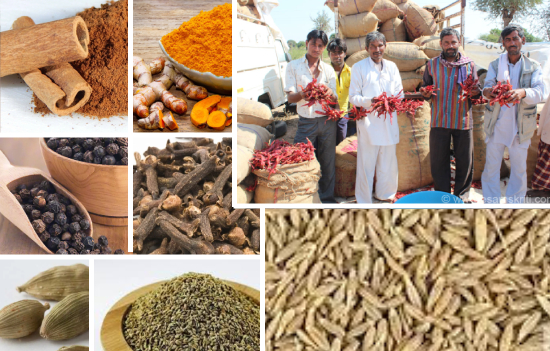
In early Indian texts such as Āyurvedic
Saṃhitās, substances like black pepper, ginger, cumin, coriander seed,
turmeric, cinnamon, and clove are described as digestive agents and not food.
They were understood to act powerfully on Agni—the body’s capacity to digest and assimilate—and were therefore used sparingly and with discernment.
However, while their effectiveness made
them valuable, their potency made them risky. Therefore, Indian culinary
practice embedded restraint into daily cooking. So spices were used in measured
combinations, where the sharpness of one was moderated by the mildness of
another.
What may now seem like culinary complexity was, in fact, physiological caution—refined through generations and later codified in medical literature, which repeatedly warned against their excessive use. They functioned as precision instruments—expanding dietary possibility across climates and seasons—yet always demanding knowledge, moderation, and context.
Preparation matters. In Indian kitchens, spices are gently heated in fats or liquids early in cooking, softening their impact and integrating them into food. The intention is not stimulation, but assimilation—ensuring that spices support digestion
rather than strike the gut directly.
The classical Indian spices include black
pepper, long pepper (pippalī), dry ginger (suṇṭhī), turmeric, cumin, coriander seed, fennel seed,
cardamom, cinnamon, clove, nutmeg, mace (jāvitrī), asafoetida (hiṅg),
mustard seed, fenugreek seed, carom (ajwain), and fresh ginger (straddles
spice and medicinal food). Star anise, Sichuan pepper, allspice, galangal, and
cassia are the global parallels.
HERBS:
The softening, nourishing counterbalance
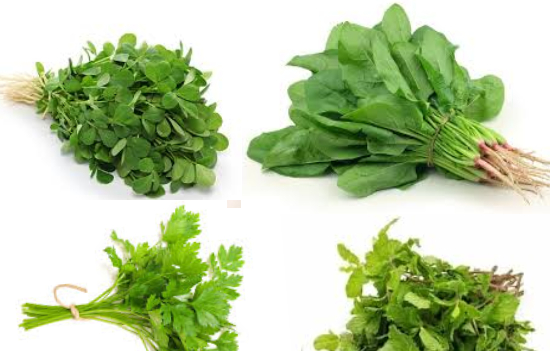
If spices are agents of transformation,
herbs are agents of support. Indian culinary traditions make a clear functional
distinction between the two, though modern language often collapses them. Herbs
are typically leafy, tender, and mild, drawn from fresh plants. They are used
by the handful, not the pinch.
Their role is
not aggressive stimulation, but cooling, soothing,
and stabilizing. Where spices act quickly and powerfully, herbs work slowly and
cumulatively. Together, they create balance. In hot climates, herbs moderate
internal heat, protect the gut lining, and soften the impact of stronger
spices.
Their subtle aroma and freshness bring
satisfaction, and they are closer to food than to medicine. They are added late
and fresh in cooking to preserve their gentler qualities. They are deeply local
and seasonal, tying everyday meals to immediate landscapes.
Indian culinary-medicinal herbs include coriander leaf, mint, fenugreek leaf, dill, holy
basil, lemongrass, bay leaf, and curry leaves. Holy basil and lemongrass
straddle herb and medicine, while bay leaf remains aromatic yet mild enough to
function as a herb in cooking. Global parallels include parsley, thyme,
rosemary, basil, oregano, sage, and chives.
In states of acute or chronic illness,
herbs are always preferable to spices.
CONDIMENTS:
Mediators of appetite, preservation, and pleasure
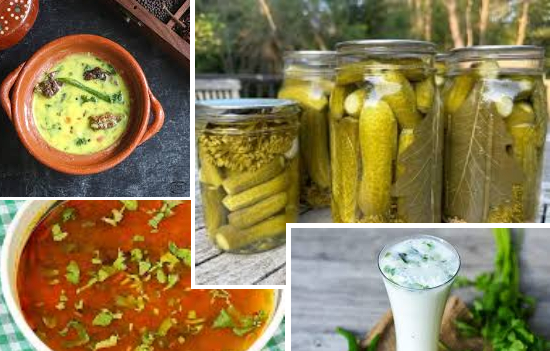
Condiments emerged not from plant type,
but from preparation and intention. In Indian food tradition, condiments are
not a single ingredient but crafted accompaniments. Chutneys, pickles,
fermented preparations, spiced buttermilk, and souring agents like tamarind or
lemon are designed to sit alongside food, not dominate it. They awaken appetite, preserve seasonal abundance, and
assist in digesting heavy or monotonous
staples.
Condiments typically combine spices for stimulation, herbs for freshness, and salt or sourness for preservation. Their power lies in anticipation—stimulating saliva, priming digestion (not replacing it), and making simple foods enjoyable over long periods. Even here, restraint is culturally embedded: they are optional, seasonal, consumed in small quantities, and not daily.
Indian condiments include chutneys (coconut, peanut, coriander, mint,
tamarind), fermented or oil-preserved pickles, papad, spiced buttermilk (chaachh), lemon or
tamarind juice, and rasam. Worldwide parallels include vinegar, mustard paste,
soy sauce, miso, and ketchup. Most condiments are best suited for those in
robust health.
Seen together, these distinctions reveal a sophisticated evolutionary
logic. Spices expand what humans can digest; herbs protect the body from
excess; condiments make repetition tolerable and preservation possible. Each
category has boundaries reinforced by climate, ritual habits, and generational
knowledge.
Spices
and subtle physiology
Indian thought recognizes that spices
influence breath, body heat, circulation, and mental clarity. In spiritual
contexts, mild, sāttvic spices are preferred, while overly stimulating
ones are restricted. Ritual use preserves discipline and restraint. While climate
shapes why spices are needed; ritual shapes how they are regulated. India
stands out not for culinary complexity, but because it never separated food
from medicine, medicine from ritual, or ritual from daily life.
Spices are chosen based on doṣa,
Agni strength, season, food combination, and individual constitution. They are subordinate to food—never the other way around. Indian cooking buffers spices with ghee, oils, fermentation, and slow cooking; cuisines derived thus function as self-regulating spice ecologies rather than purely taste-driven systems.
Spices are varied seasonally, even within the same region. Spices are not added randomly. Without contextual checks—largely removed from modern diets—they can become irritants rather than protectors. Heating and cooling qualities must be balanced; fats, fermentation, and acids buffer intensity; spices must match climate and gut ecology.
Spice
blends
No single spice is complete; each has a
dominant action and potential excess. Blends create balance, safety, and
synergy. Used alone, spices can overstimulate, irritate mucosa, and disturb
metabolic balance. Blending reduces toxicity, buffers sharpness, slows
absorption, and protects the gut lining.
Blending follows the Ayurvedic principle
of saṁyoga—intelligent combination for mutual enhancement and moderation. Classic triads include cumin–coriander–fennel (digestion without excess heat), ginger–black pepper–long pepper (deep metabolic ignition, short-term use), and turmeric–fat–pepper (enhanced absorption without irritation).
Traditional blends consider climate,
staple foods, and local microbiota. Examples include garam masala
(warming, added late and sparingly), sambar powder (for lentil digestion
in humid climates), and panch phoron (gentle stimulation in eastern and
south Indian humidity).
Instruments
of digestion
Spices such as cardamom, cinnamon, star
anise, tej patra, pippali, and white pepper have been used not only for
flavour, but for digestion, circulation, respiration, metabolism, and
preservation. Across Ayurveda, Siddha, Unani, and traditional kitchens, they
function as regulators of how food is absorbed not for taste.
Indian meals intelligently
pair foods with complementary spices:
a. Beans with hing and ajwain
b. Rice with cumin, clove, or bay leaf
c. Vegetables with ginger and turmeric
d. Dairy with black pepper or cardamom
e. Heavier foods with cinnamon or long
pepper.
A simple daily
triad of cumin, ginger, and turmeric—optionally supported by black pepper or pippali—provides broad digestive support. These spices increase enzyme output, regulate gut microbes, enhance circulation and metabolism, and improve nutrient absorption. These represent nutritional technology refined through observation, not mere tradition.
Spices are also used in simple tea combinations: digestive tea (cardamom,
cinnamon, star anise), cold-support tea (black cardamom, pippali,
cinnamon), and metabolic tea (cinnamon and tej patra).
Physiological
issues from common modern mistakes
When used daily in excess or as stimulants
rather than supports, spices can become harmful. Daily heavy consumption of trikatu
(equal part dry ginger, black pepper, long pepper), or concentrated spice mixes
dysregulate Agni and create dependency on stimulation for appetite.
Ayurveda pairs dīpana (kindling
appetite) with pācana (proper digestion). Modern use often emphasizes
stimulation alone. Excessive or inappropriate use aggravate pitta and vāta
patterns: gastritis, reflux, burning sensations, skin flare-ups, anxiety,
dryness, chronic constipation, irritable bowel syndrome, and mucosal
irritation.
Spices are also classified by guṇa—sāttvic,
rājasic, or tāmasic—according to their effect on the mind–nervous system–digestive axis. No spice is inherently harmful; its impact depends on quantity, preparation, frequency, season, and individual constitution.
Conclusion
Historically, Indian food culture does not
rely on abundance, but on proportion. Flavour emerges as a result of balance. When these three categories—spices, herbs and condiments—collapse into one, something essential is lost.
Spice use must remain contextual—aligned with climate, constitution, and proper buffering. Modern kitchens have inherited the ingredients but forgotten the distinctions. Spices are consumed daily and often in excess; herbs are overcooked or reduced to garnish; condiments become constant rather than occasional. What was once a finely balanced system turns blunt.
Removed from their traditional context,
spices meant to be instruments of digestive support can become irritants and,
over time, contributors to metabolic disturbance and health degeneration. This is a shift, we must recognize.
Further, certain borderline substances—garlic, onion, chilli, dry ginger, asafoetida, turmeric, tamarind, vinegar—blur categories and demand care. Their excessive daily use is increasingly a matter of concern. This will be explored in the final part of the spice trilogy.
Anuradha Vashisht is a natural health educationist who has been promoting preventive health care through her Health Nectar initiative for over two decades. She guides individuals to restore and enhance their well-being naturally—through the adoption of holistic health concepts, mindful nutrition, and lifestyle transformation.
Anuradha is trained under Acharya Seshadri
Swaminathan, the foremost and most devoted disciple of Acharya Lakshmana Sarma,
revered as the Father of Nature Cure in India. She can be reached at reach.healthnectar@gmail.com
To read all
articles by Author
To read all articles on Ayurveda
Also read
1. The Health
Benefits of Indian Spices
2. How Spices enhance
flavour and digestion