- This FAQ includes Common Adulterants in Indian Spices, How to
do a simple home test on turmeric quality, How to consume Ashwagandha and
Moringa, Why turmeric and black pepper are consumed together and Tips for
buying spices online.
Spices form the heart of the Indian kitchen. Earlier we shared The Science behind Indian Spices , History of Indian Spices and Spices being a source of Home Remedies. This one guides you to buy right – Editor.
Ashwagandha in warm milk at night, a
spoon of moringa in the morning, turmeric in almost everything. Our
grandparents used these out of habit and out of tradition, and they never had
to ask whether what they were using was pure, because it came from someone they
knew or it was ground at home.
That has changed. Most of what we
buy now is processed and powdered, packaged and ordered online. You can see the
turmeric in the packet, but not what was mixed into it, not where it was grown,
and not how it was handled before it reaches you.
The purpose of this FAQ is to give questions to ask before you
trust the herb or spice, irrespective of whether you are buying it to cook or
consume it for a specific reason.
First, what are the common adulterants in Indian herbs and
spices? The usual ones-
1. Turmeric is
sometimes coloured with lead chromate, an
industrial pigment that adds the bright yellow-orange and weight too. We
wrongly read it as good haldi. Metanil yellow,
a banned textile dye, is another. Both are genuinely harmful.
2. Black pepper mixed with dried papaya seeds, which look similar,
and with lightweight immature berries.
3. Moringa and
other leaf powders are diluted with stem,
cheaper green leaf or contaminated with heavy metals.
4. Ashwagandha when
sold as root powder is often cut with leaf and stem or contaminated with heavy
metals.
5. Tablets, whether ashwagandha or moringa, are a
separate problem. With powder, you can see what you buy. A lot of the weight is
often a binder, filler and coating, and the extract itself can be a small
fraction of it. Many labels name the extract without saying how much of it is
in there or how strong it is, which tells you nothing. If the pack does not
give you the extract quantity and the percentage it is standardised to, you
have no way of knowing what you are actually swallowing.
How to do a home test on turmeric. If fine, does
that mean it is good quality?
Take a glass of warm water, drop in half a teaspoon of
turmeric, and leave it alone without stirring. Pure turmeric sinks slowly and
leaves the water a faint, cloudy yellow. Added colour streaks downward straight
away and stains the water a strong, unnatural yellow.
This test catches crude adulteration. What it will not catch
are the things that matter most, like heavy metals and pesticide residue, which
leave no trace in a glass of water. To know for sure, you need a Certificate of
Analysis.
What is a Certificate of Analysis, and why should
I ask for one?
A Certificate of Analysis, or CoA, is a laboratory report for a
specific batch. A good one tells you two things: that the product is safe,
meaning within limits for heavy metals, microbes and ideally pesticides, and
that it is potent, meaning how much of the active compound it contains.
The important word is batch.
A brand that tests once and prints the claim forever is not the same as one
that tests each lot and publishes the report. If a company cannot show you a
CoA, or will only describe it in words, treat that as your answer.
At The Boring Foods
Company we publish CoAs openly on our Reports page,
so you can read the actual numbers for the batch you are buying rather than
take a claim on face value.
Is all "lab tested" the same thing?
No. This is where a lot of the wellness market stays vague. Two
things separate real testing from a sticker.
First, accreditation. In India, look for a NABL-accredited
laboratory. NABL is the National Accreditation Board for Testing and
Calibration Laboratories, the government-backed body that audits laboratories
on their methods, equipment and competence. Accreditation means the lab itself
is held to a standard, so its result carries weight rather than being just a
number on a page.
Second, what is it tested for? Many brands test only for safety, or a single marker, and stop
there. Testing for both safety and potency is the fuller picture, because a
herb can be clean and still weak, or strong and still contaminated. You need to
know both.
For e.g., what should I check in an ashwagandha powder or tablet?
a. Root, not leaf. Traditional ashwagandha, the kind used in
classical preparations, is made from the root. Leaf and stem are cheaper and
often mixed to cut cost.
b. Withanolide content. Withanolides are the active compounds in
ashwagandha, and their percentage is a fair proxy for potency. This is exactly
the number a CoA should put in front of you. A withanolide content of above
2.5% is acceptable generally.
c. Heavy metals. Roots draw from the soil, so a clean
heavy-metal result matters here in particular.
d. If it is a tablet, the label. You want the extract quantity
in milligrams and the withanolide percentage it is standardised to. If either
is missing, the tablet is telling you only what it wants you to know.
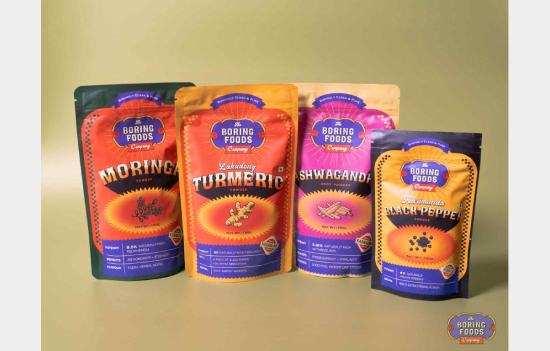
Our Ashwagandha Root Powder is single-origin root powder, with the withanolide percentage
and heavy metal results published per batch.
Moringa is used as a whole-leaf powder, which is its strength,
because the vitamins, minerals and polyphenols stay in their natural food form
rather than being extracted out. Which means the drying and the sourcing really
matter. Our Moringa Powder is mature-leaf, shade-dried and single-origin for exactly
these reasons.
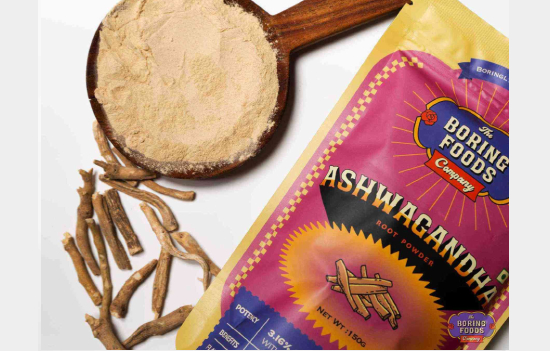
How to consume Ashwagandha powder?
Stir half a teaspoon into warm milk or water, at whatever time
of day suits you. If your main reason is sleep and winding down, have it at
night, closer to when you actually want it working. It also blends cleanly into
a protein shake if that is more your routine.
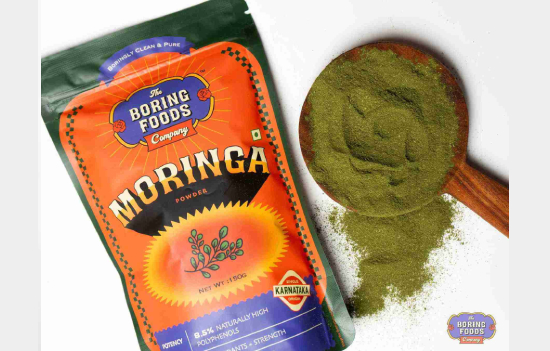
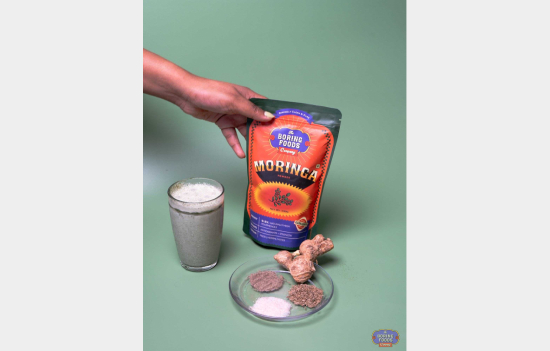
How to consume Moringa powder?
Moringa is more flexible, because it is really a green food
powder rather than something you dose. Stir it into buttermilk for an easy
everyday version, or make it as a moringa latte when you want something warmer
and a little more of a ritual. We have put both, along with a few other ways to
use it, on our recipes page.
What is the reason for using turmeric and black
pepper together?
Because the old kitchen habit turns out to have a real basis.
Turmeric on its own mostly passes straight through you, and very little of the
curcumin gets absorbed into the body. Black pepper
helps your body actually absorb the turmeric. A pinch is enough, which
is roughly what an Indian kitchen has always added anyway.
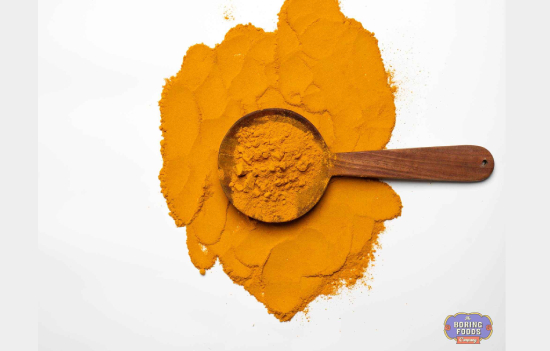
This is why our Lakadong Turmeric Powder, a naturally high-curcumin variety from the hills of
Meghalaya, comes with black pepper already blended in at the proportion
research recommends. This way the absorption is built in. If you want pepper on
its own, our Karimunda Black Pepper Powder is single-origin too.
What are Tips for buying spices online?
1. A published, batch-specific CoA you can open and read, not just the phrase “Lab tested.”
2. Testing for both safety and potency, at an NABL-accredited
lab.
3. Clear origin: where it is from and ideally who grew it.
4. For a specific herb, the active-compound number, so
withanolides for ashwagandha and curcumin for turmeric.
5. A healthy suspicion of anything unusually bright, unusually
cheap, or unwilling to show you the paperwork.
The herbs
themselves are as good as they ever were. What has
changed is that the burden of checking has moved to us. A minute spent
reading a lab report is the modern version of what an earlier generation did by
knowing their source.
Anvi Bahl is co-founder of The Boring Foods Company, which sells single-origin, dual lab-tested Indian herbs and spices, with a Certificate of Analysis published openly
for every batch. Read the test reports.
See the full range at boringfoodscompany.com, also available on Amazon India, and use code FRIENDS20 for 20% off your first order on our
website.
The
purpose of this article is to share insights with/empower the consumer and not
to malign or defame any existing spice brand. If you are consuming any spice as a medicine, please consult
your Family Doctor or Physician before doing so.
EOM.