- Discover the spiritual significance of Char Dham Yatra covering Yamunotri, Gangotri, Kedarnath and Badrinath. Here is a complete guide to India's holiest pilgrimage. It includes essential preparations, the transformative power of pilgrimage and comparison amongst modes of travel.
Introduction to Char Dham: Gateway to Moksha
The Char Dham Yatra represents one of the most profound spiritual journeys in Hindu tradition. Nestled in the majestic Garhwal Himalayas of Uttarakhand, these four sacred sites—Yamunotri, Gangotri, Kedarnath, and Badrinath—have beckoned pilgrims for millennia. Ancient scriptures proclaim that undertaking this yatra washes away sins and opens the path to moksha (liberation).
The circuit follows a clockwise path,
beginning at Yamunotri in the west and concluding at Badrinath in the east.
This sacred geography is not merely physical; it represents an inner journey of
purification and self-realization.
Historical and Spiritual Significance
Origins in Hindu Scriptures
The Char Dham tradition traces its roots to
Adi Shankaracharya, the 8th-century philosopher-saint who established four
principal Mathas across India, one of which is in Joshimath close to Badrinath.
The Uttarakhand circuit, often called Chota Char Dham, gained prominence as a
regional pilgrimage that holds equal spiritual merit.
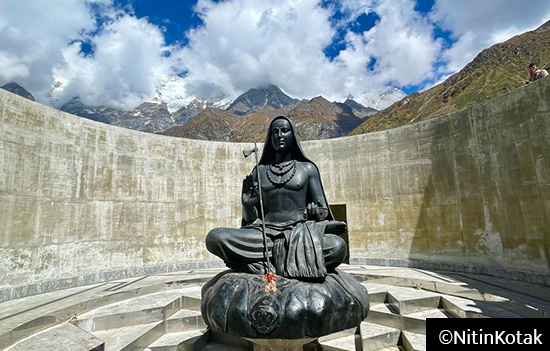
These dhams appear prominently in the Puranas and Mahabharata. Kedarnath finds mention as the place where the Pandavas sought Lord Shiva's forgiveness after the Kurukshetra war. Badrinath served as Lord Vishnu's meditation site, while Yamunotri and Gangotri mark the earthly origins of two of India's most sacred rivers.
The Philosophy Behind the Circuit
Each dham represents a unique aspect of divine consciousness. Yamunotri embodies the nurturing feminine principle through Goddess Yamuna. Gangotri channels purification through Goddess Ganga. Kedarnath manifests Shiva's transformative energy, while Badrinath represents Vishnu's preservation force.
Pilgrims traditionally complete the circuit in
the prescribed order, symbolizing the spiritual progression from worldly
purification to ultimate divine realization.
The Four Sacred Shrines
Yamunotri: Source of the Yamuna
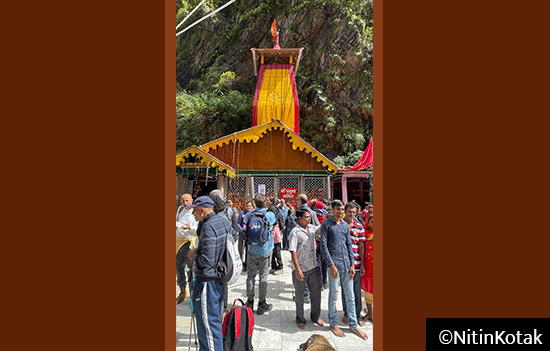
Location: Uttarkashi District, 3,293 meters elevation.
Deity: Goddess Yamuna.
Significance: Marks the origin of the Yamuna River.
Yamunotri temple sits amidst towering peaks
and glaciers. Pilgrims trek 6 kilometers from Hanuman Chatti, passing through
pristine mountain terrain. The Surya Kund, a thermal spring near the temple,
holds special significance-devotees cook rice and potatoes here as prasad.
The temple's silver doors and the deity's idol, sculpted from black marble, create an atmosphere of austere devotion. The actual source lies at Yamunotri glacier, several kilometers from the temple, but the shrine represents the goddess's accessible manifestation.
Spiritual Practice: Pilgrims perform ritual bathing in the Yamuna's cold waters, believing it cleanses karmic impurities and grants spiritual merit.
Gangotri: Descent of the Ganga
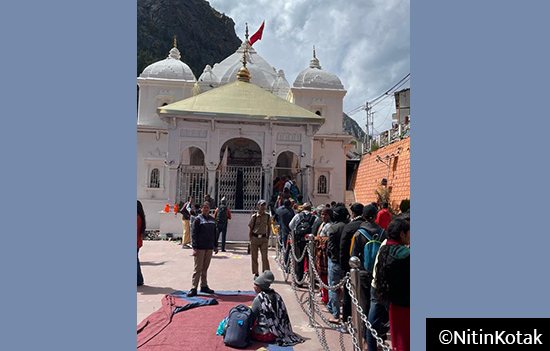
Location: Uttarkashi District, 3,100 meters elevation
Deity: Goddess Ganga
Significance: Site where Ganga descended from heaven
The Gangotri temple stands on the banks of the Bhagirathi River, surrounded by breathtaking Himalayan scenery. According to legend, King Bhagirath performed intense penance here, compelling Ganga to descend from heaven to liberate his ancestors' souls.
Lord Shiva received the mighty river in his
matted locks, controlling her force before releasing her to earth. A submerged
Shivalinga in the river, visible during winter months, marks this sacred spot.
Spiritual Practice: Pilgrims
collect Gangajal (holy water) in copper vessels, carrying this sacred substance
back home for rituals and blessings.
Kedarnath: Shiva's Divine Abode
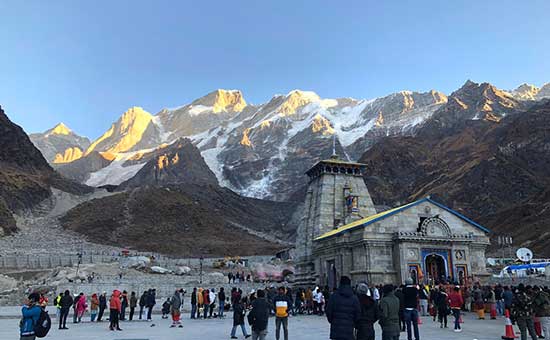 Pic courtesy Namrata Wakhloo.
Location: Rudraprayag District, 3,583 meters elevation.
Deity: Lord Shiva (Jyotirlinga).
Significance: One of twelve Jyotirlingas.
Kedarnath represents perhaps the most challenging pilgrimage in the circuit. The temple, constructed from massive stone slabs, has withstood centuries of harsh weather. Its architectural resilience symbolizes Shiva's eternal, unchanging nature.
The 2013 Uttarakhand floods devastated the surrounding area but miraculously spared the temple. A massive boulder stopped just behind the shrine, reinforcing devotees' faith in divine protection. The temple's survival became a modern miracle, strengthening its sacred reputation.
The steep 16-kilometer trek from Gaurikund tests pilgrims' physical and spiritual resolve. The journey itself becomes a form of tapasya (austerity),
purifying the seeker through hardship.
Spiritual Practice: Rudrabhishek (ritual worship of Shiva) performed here carries immense
spiritual power. The high-altitude location and raw natural beauty create ideal
conditions for meditation and introspection.
Badrinath: Vishnu's Sacred Sanctuary
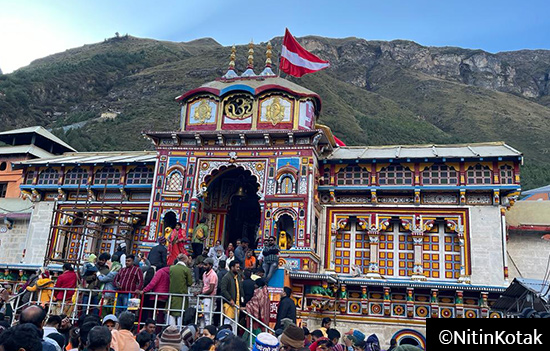
Location: Chamoli District, 3,133 meters elevation.
Deity: Lord Vishnu (Badrinarayan).
Significance: One of 108 Divya Desams (Vishnu temples).
Badrinath completes the Char Dham circuit. The temple's distinctive brightly colored facade stands against snow-capped peaks, creating an unforgettable visual. The deity appears in a meditative posture, carved from black Shaligram stone.
The temple's rituals follow South Indian traditions, established by Adi Shankaracharya. The Rawal (chief priest) traditionally comes from Kerala's Nambudiri, maintaining this ancient connection.
Natural hot springs, particularly Tapt Kund, allow pilgrims to bathe before
entering the temple. The Brahma Kapal platform facilitates pindadan ceremonies
for departed ancestors.
Spiritual Practice: The
evening aarti, when oil lamps illuminate the deity while devotional songs echo
through the valley, creates a transcendent atmosphere. Many pilgrims report
profound spiritual experiences during these moments.
Planning Your Sacred Journey
Optimal Pilgrimage
Period
|
Season
|
Months
|
Temple
|
Weather
|
Pilgrim
|
|
Peak
Summer
|
May-June
|
Open
|
10-20degreeC
|
Very
High
|
|
Monsoon
|
July-August
|
Open
Risky
|
Heavy
Rainfall
|
Low
(unsafe)
|
|
Autumn
|
Sept-Oct
|
Open
|
Cool,
5-15C
|
Moderate
|
|
Winter
|
Nov-April
|
Closed
|
Harsh
Snow
|
Temples
shut
|
Temples typically open in late April or early
May (Akshaya Tritiya) and close in October or November (Diwali). Exact dates
vary yearly based on Hindu calendar calculations.
Duration and Itinerary Options
Traditional
Road Circuit: 10-12 days
1. Covers all four dhams systematically.
2. Includes acclimatization time.
3. Allows proper darshan at each site.
Helicopter
Package: 4-6 days
1. Suitable for senior citizens or
time-constrained pilgrims.
2. Reduces physical strain.
3. Provides aerial Himalayan views.
Hybrid
Approach: 7-8 days
1. Combines road and helicopter travel.
2. Balances experience with efficiency.
For those seeking comprehensive pilgrimage
support, Char
Dham Yatra packages from experienced operators
like Royals Yatra offer well-organized itineraries with proper safety measures
and accommodation arrangements.
Essential Preparations
Physical
Readiness - The high-altitude environment demands
preparation:
1. Build cardiovascular endurance through
regular walking
2. Practice breathing exercises
3. Consult physicians regarding altitude
sickness prevention
4. Carry prescribed medications
Spiritual
Preparation - Traditional guidelines suggest:
1. Maintaining brahmacharya (celibacy) during
the pilgrimage.
2. Following sattvic diet (pure vegetarian
food).
3. Regular prayer and meditation beforehand.
4. Reading relevant scriptures for deeper
understanding.
Practical
Requirements
1. Valid identification documents
2. Registration certificates (often required)
3. Appropriate clothing for temperature
variations
4. Basic medical kit
5. Rain protection gear
Cultural and Environmental Considerations
Respecting Sacred Spaces - Char Dham temples follow strict traditional protocols. Pilgrims should:
1. Remove leather items before entering
temples.
2. Dress modestly.
3. Maintain silence within sanctums.
4. Follow queue systems patiently.
5. Respect photography restrictions.
Environmental Responsibility - The fragile Himalayan ecosystem faces pressure from increasing tourism.
Conscious pilgrims should:
1. Carry reusable water bottles.
2. Dispose of waste properly.
3. Avoid plastic usage.
4. Support local communities.
5. Minimize ecological footprint.
The concept of Prakriti Sanrakshan
(nature conservation) forms an integral part of dharmic practice. Preserving
these sacred mountains for future generations becomes a spiritual duty.
The Transformative Power of Pilgrimage
Beyond Physical Journey - The Char Dham Yatra transcends mere temple visits. The challenging
terrain, simplified lifestyle, and constant focus on the divine create
conditions for profound personal transformation. Pilgrims often report:
1. Enhanced spiritual awareness.
2. Release from material attachments.
3. Deeper faith and devotion.
4. Physical purification through simple living.
5. Mental clarity from Himalayan serenity.
Community and Connection
The yatra brings together seekers from diverse
backgrounds. Shared hardships, collective devotion, and mutual support foster
spiritual brotherhood. Many pilgrims form lasting bonds, united by this sacred
experience.
Modern Developments and Accessibility
Infrastructure Improvements -Recent
years have witnessed significant infrastructure development:
1. Improved road connectivity
2. Better accommodation facilities
3. Enhanced medical services
4. Helicopter services expansion
5. Digital registration systems
These developments make the pilgrimage more
accessible while hopefully preserving its essential spiritual character.
Balancing Development and Sanctity -The
challenge lies in improving accessibility without commercializing sacred
spaces. Authorities and pilgrims alike must balance modern convenience with
traditional values, ensuring the yatra retains its transformative power.
Comparative Analysis: Char Dham Routes
|
Aspect
|
Road Journey
|
Helicopter Service
|
|
Duration
|
10-12
days
|
4-6
days
|
|
Physical
Dmeand
|
High
|
Low
|
|
Spiritual
Immersion
|
Deep
|
Moderate
|
|
Cost
|
Rs
15-75,000/
|
Rs
189 to 2,50,000
|
|
Environmental
Impact
|
Moderate
|
Higher
(fuel emissions)
|
|
Accessibility
|
Requires
fitness
|
Suitable
for all ages
|
|
Weather
Dependency
|
Moderate
|
High
(flights cancelled in bad weather)
|
Connecting with Trusted Travel Partners
Undertaking the Char Dham Yatra requires
careful planning and reliable support.
Working with experienced travel operators
ensures safety, proper arrangements, and allows pilgrims to focus on spiritual
aspects rather than logistical concerns. Royals
Yatra, based in the holy city of Haridwar,
specializes in Uttarakhand pilgrimages and provides comprehensive packages with
24/7 support, experienced guides, and deep understanding of regional culture
and requirements.
Conclusion: The Call of the Himalayas
The Char Dham Yatra stands as a testament to India's living spiritual tradition. In an age of rapid modernization, these ancient shrines continue drawing millions seeking meaning beyond material existence. The journey offers not just religious merit but an opportunity for self-discovery amidst nature's grandeur.
Whether one walks the mountain paths or flies above them, whether the journey takes ten days or five, the essence remains unchanged: a sincere seeker's quest for divine connection. The Himalayas, eternal guardians of India's spiritual heritage, continue welcoming all who approach with devotion and humility.
As the ancient verse states: "Yatra yatra Raghunatha Kirtanam, tatra tatra krita masta kanjali" (Wherever the Lord's glory is sung, there we bow in reverence). The Char Dham circuit remains one such sacred space, where heaven and earth meet, and the seeking soul finds its home.
This is a sponsored feature. Pictures from esamskriti collection of articles.
Also read/see
1. Char
Dham Yatra was Divine
2. Badri/Kedar
Yatra in 1963
3. A
call to Kedarnath
4.
In
Hindi Kedarnath
5.
In
Hindi Badrinath
6.
Gangotri/Gaumukh
7.
Badrinath
Yatra in Snow