- Khajuraho is much more than Kamasutra. This photo feature gives you an overview of Temples of Khajuraho. This is the first in a series of photo features on Khajuraho.
Text and Images by
Ankur Gupta.
This
is the first in a series of photo features on Khajuraho Temples. Padavali Temple
Morena,
near Gwalior) is supposed to be the inspiration for Khajuraho.
The Khajuraho Legacy: An Introduction
The
Khajuraho Group of Monuments, a UNESCO World Heritage site, stands as one
of the most brilliant achievements of Indian art and architecture. Built
between 950 and 1050 CE by the powerful Chandela dynasty, these
temples are renowned worldwide for their stunning, intricate carvings and their
perfect execution of the North Indian Nagara-style architecture.
Most
temples are of sandstone except three that were in granite.
Key Architectural & Sculptural Features
Architectural Marvel (Nagara Style)
These
temples are characterized by their towering spires or Shikharas. These are not
single cones but are composed of numerous miniature spires. The structure
typically follows a sequence: a raised platform (Jagati), the entrance porch (Ardha-Mandapa),
the main hall (Mandapa), the
intermediary chamber (Antarala),
leading finally to the main sanctum (Garbhagriha).
Intricate Sculpture
The temple walls are adorned with thousands of sculptures, often seen as a “Theology of the Body.” While the erotic carvings are famous (constituting less than 10% of the wall space), the vast majority depict a symphony of life: deities (Shiva, Vishnu, Shakti), celestial nymphs (Surasundaris), mythical beasts (Sardulas), musicians, dancers, and
scenes of daily life and war.
Religious Significance
The
temples reflect the religious harmony of the Chandela period, featuring Shaivite,
Vaishnavite and Jain temples constructed in a similar, stunning style.
Exploring the Temple Groups
Khajuraho
is a triad of distinct energies, typically divided into three groups:
1. The Western Group (Zenith of Power)
This
is the heart of the site, featuring the largest, most famous, and
best-maintained monuments.
A. The Mountain of
Shiva: Kandariya Mahadeva Temple
Significance: Dedicated to Lord Shiva, it is the largest, most ornate, and most architecturally complex structure, standing at nearly 31 meters high. Built by King Vidyadhara (1025-1050 A.D.), it is a triumphant statement of power.
Architectural
Detail: The
silhouette resembles Mount Kailash. The main spire (Shikhara) is surrounded
by 84 smaller subsidiary spires (Urushringas),
creating a visual effect of a mountain rising.
Sculptural Detail: Scholars estimate there are over 870 statues adorning the walls, which are particularly dense with carvings. The famous erotic panels are located on the junction walls, often interpreted as a "twilight language" (Sandhya Bhasha) representing the union
of the self with the divine.
Visitor Experience: The steep
stairs often pass under an exquisitely carved makara torana (archway). Inside, the sanctum houses the
main Shiva Lingam.
B. The Guardian of the Threshold: Lakshmana
Temple
Significance: The oldest
and best-preserved fully developed Nagara-style temple, built by King
Yashovarman (930-950 A.D.). It is the first major structure most visitors
encounter.
Dedication: Dedicated
to Lord Vishnu, the sanctum houses a rare, mystical, three-headed idol of Vaikuntha
Vishnu (human, boar/Varaha, and lion/Narasimha).
Historical Canvas (The Jagati): The high platform (plinth) is a continuous stone documentary of the 10th century, with friezes depicting armies on the march, horses being groomed, and dancers performing—a canvas of social history.
Key Iconography: Facing the
main shrine is a smaller pavilion dedicated to Varaha, the boar avatar,
featuring a monolithic sandstone boar carved with hundreds of miniature divine
figures.
Next
to the Lakshmana temple is the Matangeshwara Temple (made 900-925 .A.D), which
has a huge linga and live worship exists. Vishwanatha is another grand temple,
dedicated to Shiv. (made 1002 A.D). Also, in this group are Chitragupta and Jagdambi
temples.
2. The Eastern Group (Microscopic Perfection)
This
group offers a contrast of silence and introspection. It primarily
contains Jain temples like Parshvanath, where the focus shifts
from cosmic grandeur to the stillness of the Tirthankaras.
3. The Southern Group (Isolation & Sunset)
These
temples, like Dulhadeo and Chaturbhuj, stand in isolation,
offering distinct architectural styles and often the best views of the sunset,
away from the main tourist bustle.
The Raneh
Falls, often called the Grand Canyon
of India, and the serene Pandav Falls provide a geological
context to the history, reminding us that long before the Chandelas stacked
these stones, nature had carved its own masterpieces in granite.
Finally, the spiritual pulse of the town is not found in the fenced-off ASI
museums but in the Matangeshwar
Mahadev Temple and the nearby phenomenon of Bageshwar Dham. While one is the
bridge to the past, the other is a roaring testament to the present-day faith
of rural India.
Khajuraho is a journey that demands you look beyond the obvious. It is
an odyssey from the physical (Kama)
to the spiritual (Moksha), set
against the backdrop of the Vindhya mountains.
Travel Guide: Planning
Your Khajuraho Trip
Getting There: Khajuraho (HJR) has its own airport with connections to Delhi and
Varanasi. The nearest major railway hub is Jhansi, though Khajuraho has a
smaller station with connectivity to Delhi (Vande Bharat/Sampark Kranti). There
is a highway from Jhansi to Khajuraho.
Best Time to Visit: October to March is ideal for temple hopping,
with pleasant days and chilly nights. If visiting Raneh Falls, the post-monsoon months (September-November) offer
the best water flow.
Weather: Summers (April-June) are scorching (up to 45°C). Winters are delightful (5°C–25°C).
Tickets: Entry to the Western Group is
ticketed (digital payment preferred); the Eastern and Southern groups are
generally free (except for enclosed complexes).
Pro Tip: Visit the Western Group at
sunrise for the best light on the sculptures and beat the crowds.
Here are some pictures.
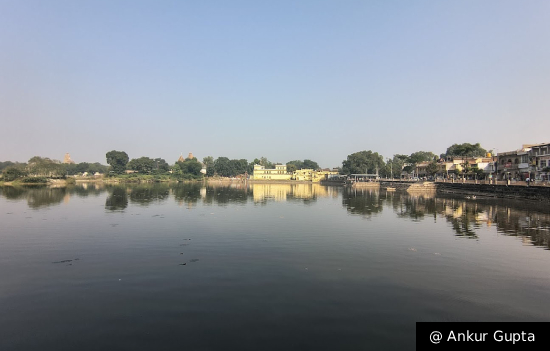 Water body as you enter the Western Group of temples.
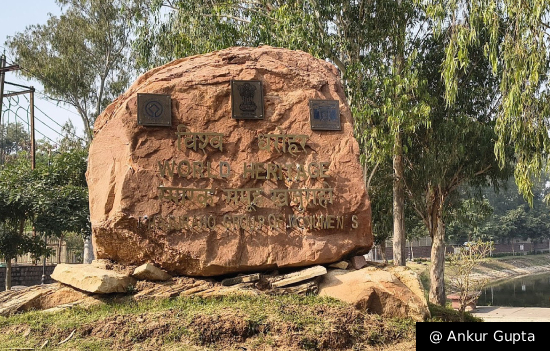 Welcome to Khajuraho.
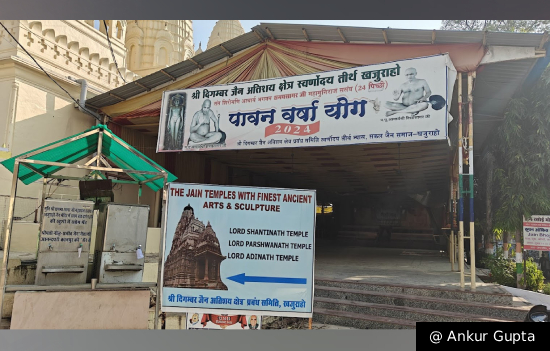 Entrance to the Jain Temples complex.
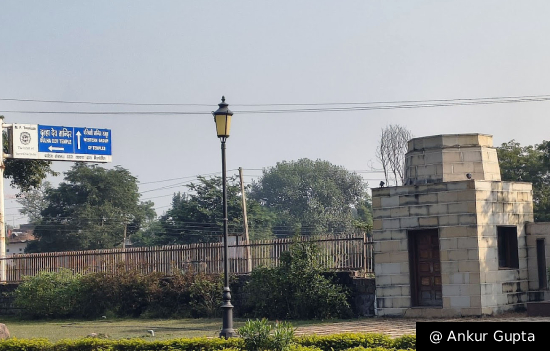 Way to the Western Group of Temples.
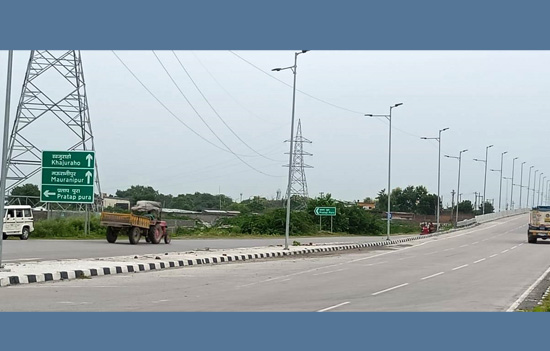 Highway
to Khajuraho. Pic by Sanjay Yadav.
Highway
to Khajuraho. Pic by Sanjay Yadav.
Also read/see
1. Meaning behind Erotic Sculptures in Khajuraho
2. Pics of Vishwanatha temple
3.
Pics of Western Group
temples
4.
Pics of Kandariya Mahadeva
Temple
5.
Pics of Vamana Temple and Dulhadeo/Chaturbhuj
Temples.
6.
Pics of Jain temples
7. All about Khajuraho Temples
8. Khajuraho
Temples a Journey from Real to Surreal
9. MP Tourism site on Khajuraho
10. Pics of Lakshmana Temple and Matangeshwara Temple
11. Khajuraho Dance Festival
12. Padavali Temple
Morena,
near Gwalior) is supposed to be the inspiration for Khajuraho
13.
Travelogue
Khajuraho, Chitrakoot and Prayagraj
14.
UNESCO site
15.
For
a 30 page PDF on the Temples of Khajuraho